

WILTSHIRE Council says it is well placed to benefit from the government’s newly announced Warm Homes Plan, pointing to a range of schemes already helping households cut energy bills and reduce carbon emissions.
The £15 billion national programme aims to tackle fuel poverty, improve energy efficiency and expand access to clean, home-grown energy through measures such as insulation, rooftop solar and low-carbon heating.
The council says the plan closely aligns with its own priorities set out in the 10-year Our Wiltshire Plan.
The announcement comes as the council’s Warm Homes: Local Grant scheme enters its second year.
The locally delivered programme has already funded free, tailored energy upgrades for low-income households, including insulation, solar panels, home batteries, heat pumps, ventilation improvements and essential building repairs.
Applications are now open for a new round of funding, with residents encouraged to apply early as demand is expected to be high and funding is limited.
Households with an EPC rating below C and an annual income of less than £36,000 may be eligible.
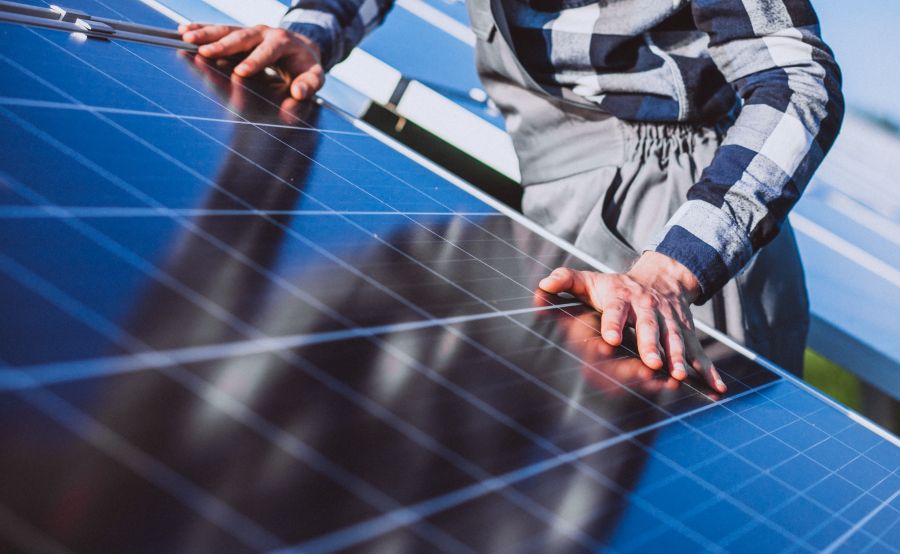
Alongside support for individual homes, the council is continuing efforts to boost solar power across the county.
A Solar Schools pilot project saw one Wiltshire school install 218 solar panels and battery storage, which the council estimates could save £240,000 in energy bills and cut around 370,000 tonnes of CO₂ over 20 years.
The authority hopes to roll out the model to more schools.
The council’s Switch Together Solar scheme, formerly Solar Together, is in its fourth year and has helped more than 1,700 households install solar panels and battery storage, with a combined investment of more than £15 million.
Participants in the 2024 scheme reportedly saved an average of £495 a year on energy bills.
Cabinet member for climate & environment Cllr Paul Sample JP said Wiltshire has already been leading the way.
He added: “The programmes that are already underway and making a difference, or those that are in active development, all go towards strengthening our ability to deliver real, practical improvements for residents.
“That means lower bills, warmer homes and cleaner local energy.
“Our initiatives are central to ensuring every household can benefit from affordable, sustainable energy for years to come.”





Leave a Reply