

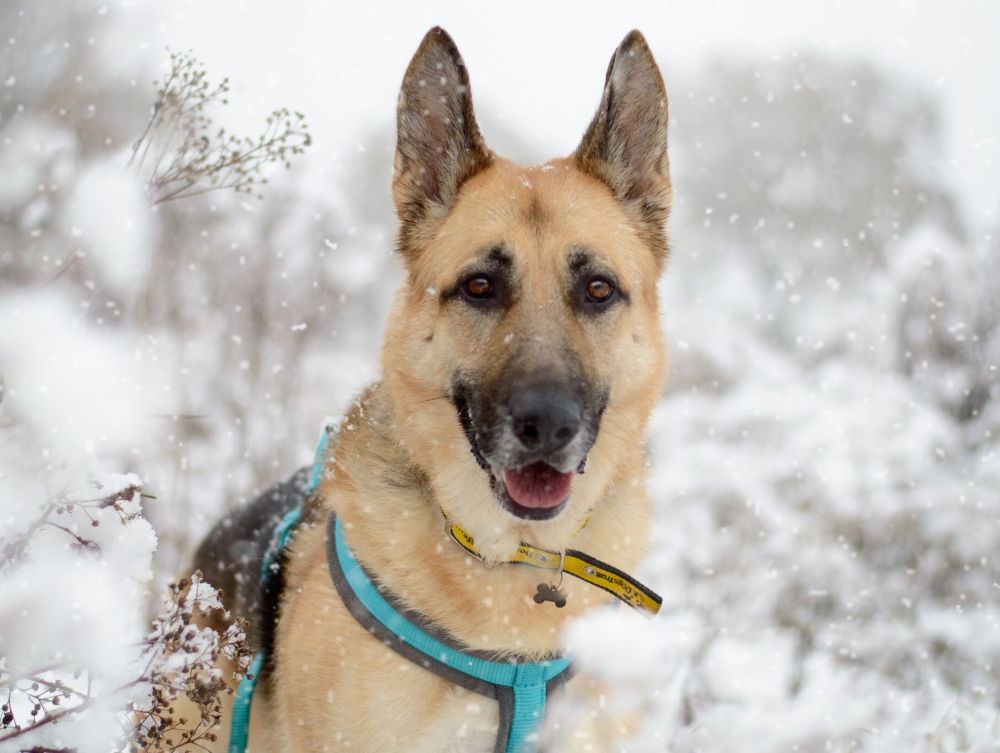
DOG owners are being urged to consider their four-legged friends during the current cold snap as below freezing temperatures can have grave consequences.
Dogs Trust in Salisbury is advising people to take extra care and keep dogs well away from frozen lakes, ponds and waterways while out walking.
Although it may look solid, most frozen surfaces are often not strong enough to support a dog’s weight, meaning pups can plunge into icy water below, putting them in danger.
Dogs Trust says owners must never to enter the water if their dog falls through ice and should instead encourage them to swim back to the edge and call 999 in an emergency.
Cold water shock can be deadly, leading to panic, involuntary gasping, inhalation of water and even fatal heart attacks – in young and otherwise healthy individuals.
Entering the water can also make the situation worse for the dog, as emergency services will prioritise rescuing a person before an animal.
Trust behaviour officer Dom Burke said: “While icy ponds and lakes may look inviting for curious dogs, they pose a serious risk.
“If you’re walking near water, it’s safest to keep your dog on a lead. If the ice breaks and your dog falls in, do not attempt to rescue them yourself, as this could put your life at risk and result in you needing emergency assistance.”
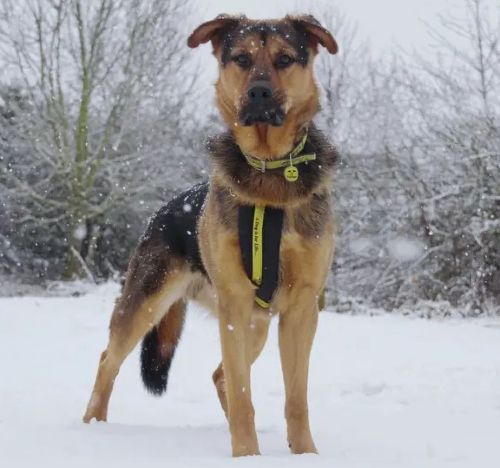
Buster the German shepherd is enjoying the snow! (Photo: Dogs Trust)
The charity says frozen water is not the only hazard facing pooches during the colder months and has shared practical advice to keep them safe, healthy and content.
Dogs can feel the cold therefore breeds with thicker coats may benefit from being allowed to grow their fur out in winter.
Short-haired dogs may need extra warmth, and a well-fitting winter coat can help. Owners are advised to introduce them gradually and positively, so dogs feel comfortable wearing them.
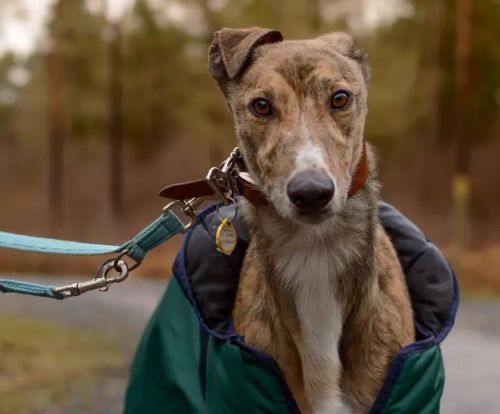
Marty the lurcher in his coat. (Photo: Dogs Trust)
Snowy conditions can be confusing for dogs, increasing the risk of them becoming lost, so keep them on a lead when visibility is poor, ensure they have a collar with ID tag and check microchip details are correct.
Wipe legs, paws and tummies after walks, as road grit, salt, snow and moisture can irritate skin and paws.
Antifreeze is extremely toxic to dogs and has a sweet taste that can attract them, so store it securely, clean up spills immediately and see a vet if a dog ingests any.
Dog walkers should also dress appropriately for cold and icy conditions with suitable footwear and warm clothing.
As daylight hours shorten, reflective or high-visibility clothing is suggested, and dogs can wear reflective leads, collars, coats or flashing lights.
Inspect leads, collars and harnesses regularly, as winter weather can cause wear and rust, particularly on metal clips.
If staying inside, make sure dogs stays mentally stimulated with games like hide and seek, puzzle toys, food-dispensing toys and long-lasting chews.
For more advice, visit:
www.dogstrust.org.uk/dog-advice/life-with-your-dog/seasonal/cold-weather-advice






Leave a Reply