

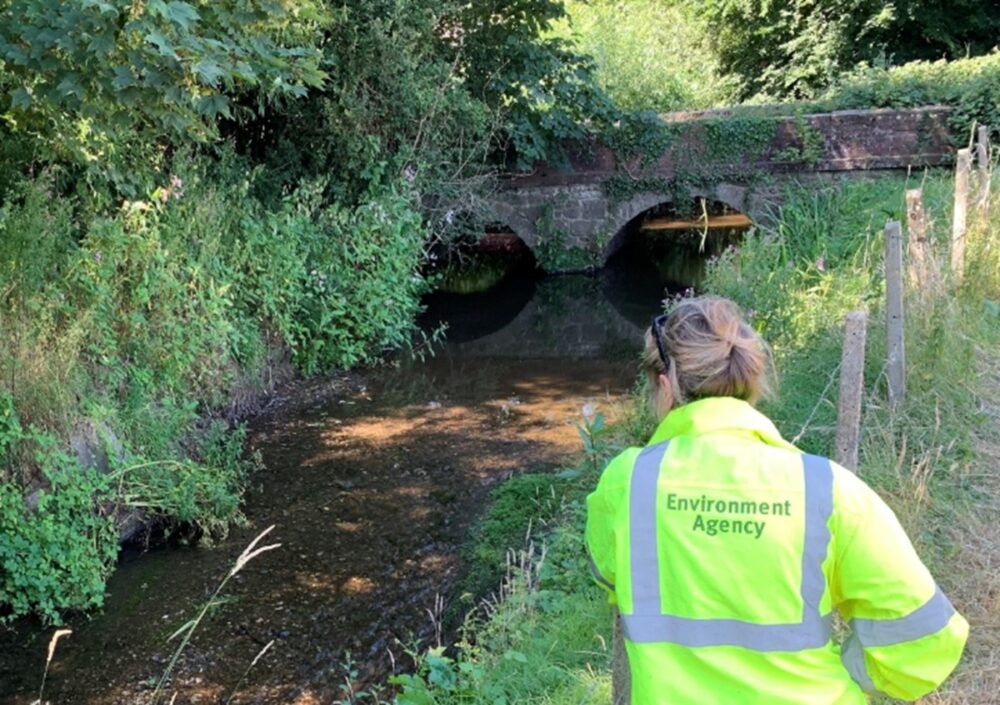
WESSEX – including Wiltshire – is among seven areas declared in drought by the Environment Agency following prolonged hot, dry weather.
Half of England is affected by the announcement with large swathes of central, eastern, and southern England now experiencing a flash drought, brought about by a combination of very low rainfall and higher temperatures.
With rivers running low, farmers are having to harvest crops early, wildfire risk is increasing, and millions of people are living under restrictions on water use.
The environmental regulator has stepped up its operational response, including enhanced monitoring and controlling how much water can be taken from rivers and groundwaters.
Helen Wakeham, director of water at the Environment Agency and chair of the National Drought Group, said: “The hot and dry weather means we are currently using water faster than nature can replenish it.
“A second consecutive summer drought is an exceptionally serious situation and one that will have long-lasting impacts on our environment, wildlife, and the economy.
“We want everyone to stay safe and hydrated during the hot weather but every drop we can save is a drop more for nature and agriculture.”
READ MORE: Grand Parade plan to kick off Salisbury’s 800th birthday celebrations
READ MORE: Culture, community and creativity returns at Salisbury Mela next month
The seven areas in drought across the UK are:
- East Anglia,
- Hertfordshire and the whole of London
- Thames Valley
- Hampshire & the Isle of Wight
- Devon & Cornwall
- The West Midlands
- Wessex (covering Dorset, Somerset, Wiltshire, and south Gloucestershire)
Jim Flory, environment manager for the Environment Agency’s Wessex area, said: “Bristol, Somerset, Dorset and Wiltshire are in drought, alongside Devon and Cornwall.
“The South West faces the same pressures as many other parts of England who are also in drought. Water demand is high, rainfall is low.
“Water is precious. Not only do we rely on it but so does the environment, with protected, designated areas like the Somerset Levels and Moors reliant on maintained water levels.
“We all have a duty to use water wisely and we investigate all cases of water being abstracted illegally from the environment.”
Representatives from the National Drought Group – which includes the Met Office, government, regulators, water companies, farmers, Canal & River Trust, anglers and conservation experts – held a dedicated drought briefing with Water Minister, Emma Hardy, on July 28.
The group reviewed impacts, preparedness, and drought response actions across England, with water companies being told to prioritise fixing leaks. There is also additional engagement with key groups, such as farmers and water companies, and cross-government work to secure supplies into the autumn.
Water Minister Emma Hardy said: “Our climate is changing, droughts are becoming increasingly common, and we need to be prepared for this new normal.
“We’re delivering long-term change in the water industry and driving record investments in infrastructure, including nine new reservoirs.
“We expect water companies to follow their drought plans, to go further and faster to reduce leaks, and to ensure supplies are not disrupted even in the driest of weather.”
The current drought now means there have been three droughts in the past five years – 2022, 2025 and now 2026.
There has been a dramatic shift in our weather this year – from a very wet winter to an exceptionally hot and dry summer.
The winter rainfall helped replenish reservoirs and groundwater, meaning a dry spring passed without any major impacts, however, the summer has continued to be exceptionally hot and dry with July seeing just 7% of expected rainfall, falling to 1% across southern England – and no substantial rain on the way.
Met Office Chief Meteorologist, Will Lang, said: “The warm and exceptionally dry conditions experienced across much of England over recent months are continuing to have a significant impact. Many areas have received very little or no rainfall throughout July, extending a period of below-average rainfall that has persisted across parts of the country since spring.
“The Met Office continues to work closely with the Environment Agency and partners across the water sector, providing expert meteorological information and forecasts to support drought monitoring, planning and response activities.”





Leave a Reply